History of Speed Humps | Venture Plastics Distributors

History Of Speed Humps

The Evolutionary Journey of Speed Humps

Some regard them as a bit of annoyance, especially when they are in a rush to get about in their car, and others may consider the presence of speed humps something rather mundane. However, you may be surprised to learn that these unassuming traffic-calming devices actually have an interesting history that spans decades of innovation and necessity.

The Origin Story: A Revolutionary Road Safety Invention

The development of the modern-day speed hump can be traced back to the ingenuity of Arthur Holly Compton, a renowned physicist and Nobel Prize winner. In 1953, Compton’s seemingly low-tech brainchild was born out of a desire to deter motorists from speeding recklessly outside his workplace at Washington University in St.Louis.

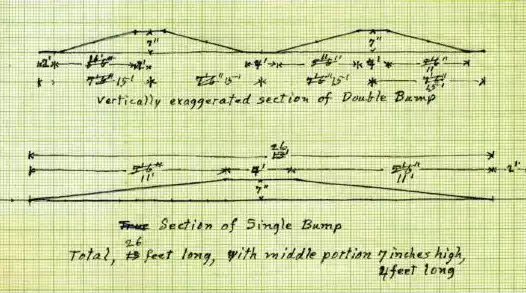
Following a series of rigorous calculations to ascertain the correct angles and height needed, Compton found that strategically placing raised sections along roadways could provide a simple yet highly effective solution to reducing vehicular speed and enhancing safety. Initially, this invention was dubbed the ‘Holly Hump.

History of Speed Humps - Arthur Holly Compton | Venture Plastics Distributors

However, the concept of speed bumps being used as a traffic calming device can be traced much further back in time. Believe it or not, early versions of speed humps existed in ancient Pompeii when horse-drawn carriages were the main mode of transport when the Romans had the foresight to build stone-based speed control devices on the cobblestone streets.

History of Speed Humps - Pompeii | Venture Plastics Distributors
History of Speed Humps - New York Times Article | Venture Plastics Distributors

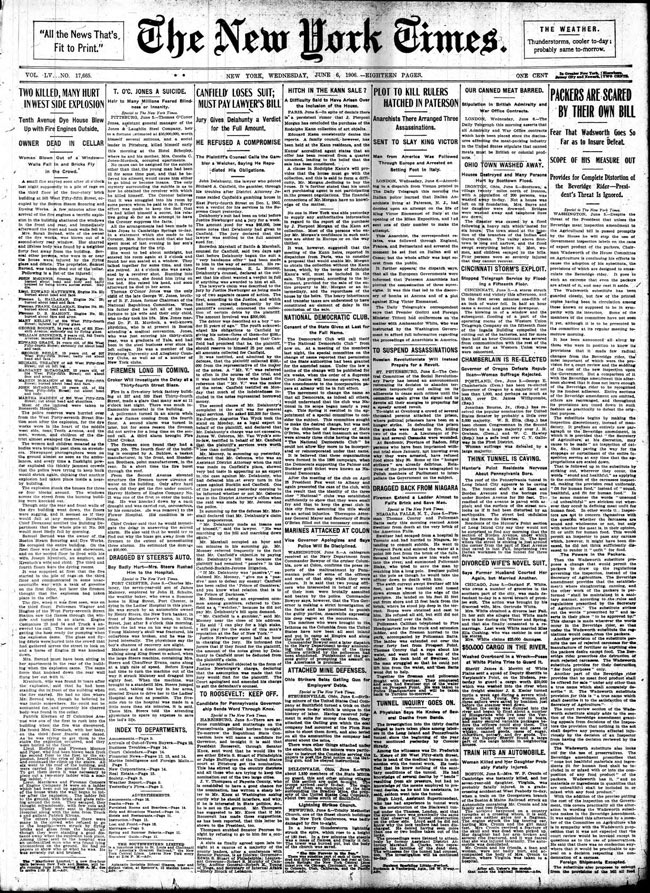
Dating not as far back as Pompeii, the City of Chattam Borough in New Jersey made headlines in the New York Times when they introduced a form of speed breaker similar to the speed bump by elevating the crosswalk back in 1906.

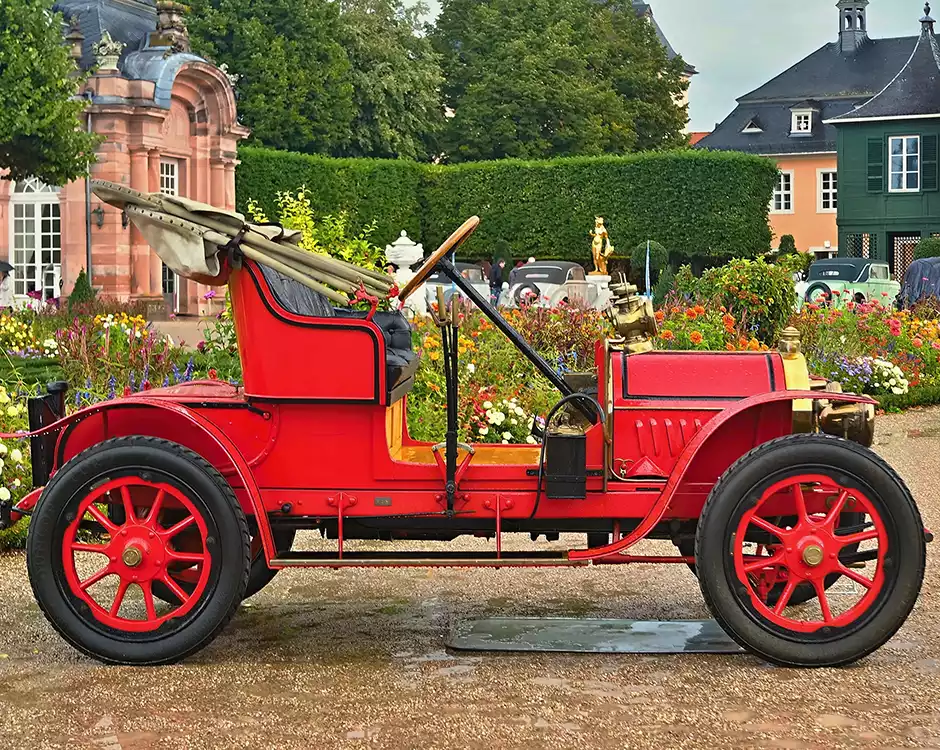
Even though the average speed of motor vehicles was just 30mph at this time and these early traffic calming devices were shortly discontinued as they were deemed dangerous to motorists, authorities clearly acknowledged the pressing need to control vehicle speed, which in turn paved the way for the eventual invention of the type of speed humps we see today.

So, while Compton created the first modern speed hump as we know them today, there were traffic calming measures in place throughout history.

The Why: A Purposeful Innovation

But you may wonder why speed humps were invented in the first place? The answer essentially lies in the pursuit of protecting communities against the dangers of speeding vehicles. With rapid urbanisation and car ownership becoming more common, concerns over road safety for motorists, cyclists and pedestrians grew.

Speed humps emerged as a proactive measure to mitigate the risk of accidents, especially in residential areas and urban zones that were full of vulnerable road users. By encouraging motorists to reduce their speed, in both a visual and more physical manner, these modest protrusions serve as silent safety mechanisms, which discretely helped enforce compliance with speed limits and encouraged a broader culture of responsible driving.

History of Speed Humps Explained | Venture Plastics Distributors
History of Speed Humps - Patents & Drawings | Venture Plastics Distributors

Image source: Slideserve

Evolution Over The Years

As you’d expect, as a result of technological advancements, speed humps have experienced significant changes over the years. From their humble beginnings as rudimentary concrete bumps in the road, they have evolved into more specialised speed humps that vary in shape, material and design, and can be tailored for use in a variety of traffic conditions and environments.

For example, innovations such as rubber speed humps and modular systems have revolutionised their effectiveness and durability, offering enhanced performance while minimising damage to vehicles. Moreover, advances in civil engineering and traffic management technologies have enabled the seamless integration of speed humps into comprehensive traffic calming strategies, further bolstering their efficacy in promoting road safety while simultaneously accommodating refinements to design and placement based on data and evolving conditions.

Venture Plastics Distributor’s Tailored Speed Hump Solutions for Safer Roads

At Venture Plastics Distributors, we take pride in offering cutting-edge industry solutions to address the multi-faceted challenges of modern road safety. Our range of speed humps and bumps are designed to meet the diverse needs of our client base, from municipal authorities to private enterprises.

Whether it is a residential estate, a commercial parking lot, an industrial facility or municipal road, we prioritise quality so our products are engineered for optimal performance, durability and cost-effectiveness. We are dedicated to innovation and customer satisfaction and such strive to play our part in creating safer roads and communities, one speed hump at a time.

Fun Fact

In Britain, Malta, and parts of the Caribbean, speed bumps are commonly referred to as’ sleeping policemen’. Likewise, in Colombia, the Dominican Republic, Croatia, Estonia, Lithuania, Slovenia, Bulgaria, and Russia, they are known as ‘lying-down policemen’. Meanwhile, in New Zealand, speed bumps are often called ‘judder bars’.

Contact Us

010 023 7178

10 Log Road, Roodekop, Germiston, Gauteng 1422

Enquire Today


    * indicates a required field

    error: Content is protected !!