History of Road Studs - Inventors of Road Studs | Venture Plastics Distributors

The History of Road Studs

Let’s Reflect from The Very Beginning

Roads have been an essential part of human civilization for centuries. As trade routes expanded, so did the need for better road safety. The earliest roads were simply dirt tracks, often muddy and difficult to navigate, especially during adverse weather conditions or at night. With the rise of horse-drawn carriages and motor vehicles, the need for road markers that would guide travellers and enhance safety became apparent.

Through this came the invention and continued innovation of the road stud. We take a look at this journey in this blog.

A Stud is Born. Well, Almost.

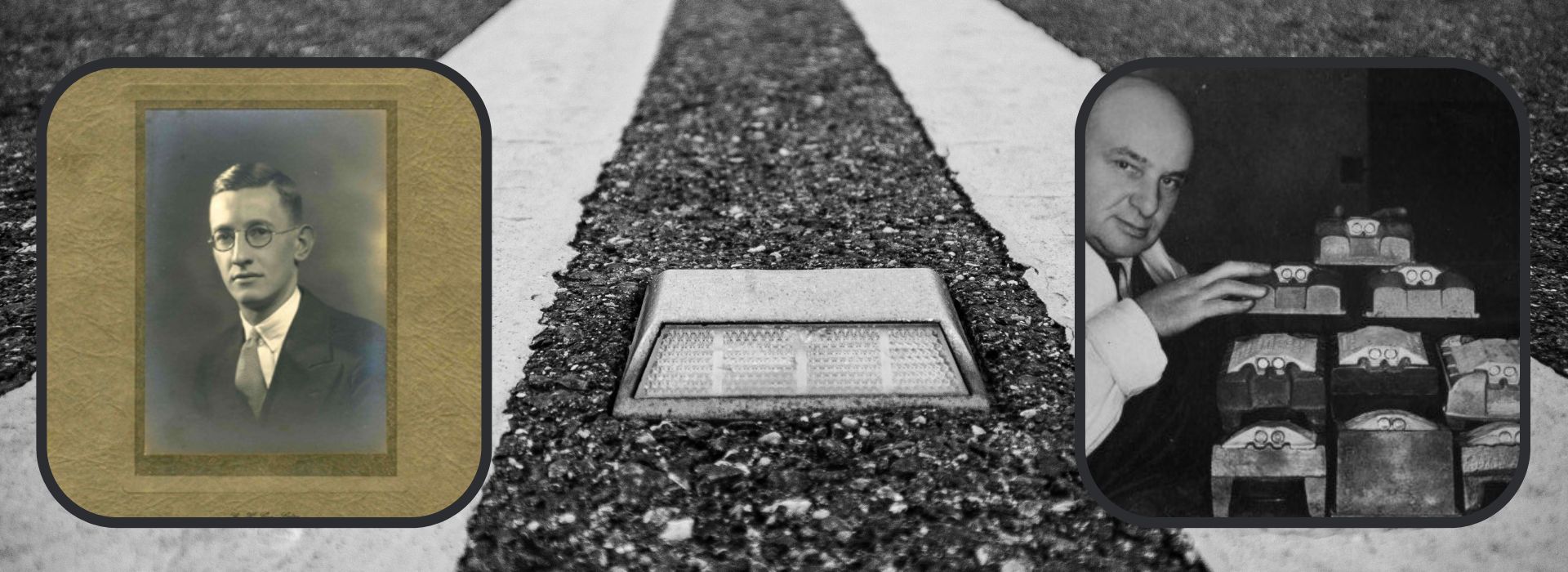
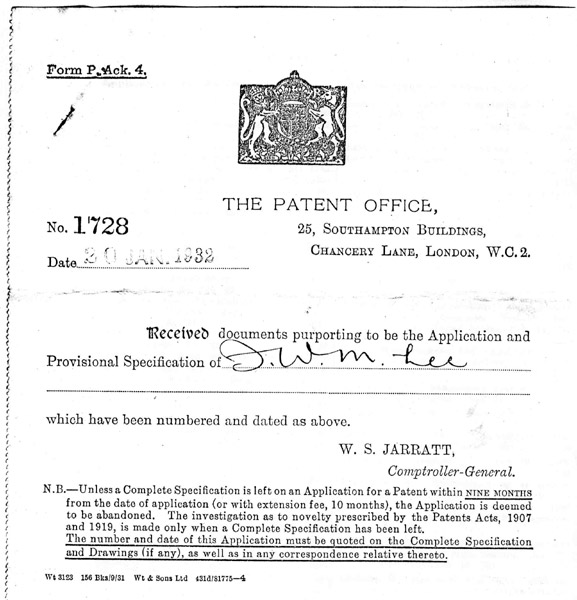
The concept of using reflective markers to mark the edges of roads was first introduced by Frederick Lee in 1932. He proposed the use of glass reflective markers screwed into small recesses in the kerb to improve visibility at night and during periods of poor weather. The markers would be slightly recessed, allowing water to enter and clean them while safeguarding them from mud and potential damage.

History of Road Studs - Frederick Lee Inventor of Road Studs | Venture Plastics Distributors

Image copyright: Catseyes.com

History of Road Studs - Frederick Lee Patent Application | Venture Plastics Distributors

Image copyright: Catseyes.com

Frederick’s idea included the use of different colours to indicate upcoming hazards, such as junctions and steep hills, as well as bends in the road. Unfortunately, the idea did not advance beyond the initial patent stage due to Frederick’s numerous family obligations, which made it impossible for him to afford the expenses required for patent renewal, ultimately leading to its expiration.

History of Road Studs - Frederick Lee Road Studs | Venture Plastics Distributors

Image copyright: Catseyes.com

Direction Is in The Eye of The Beholder

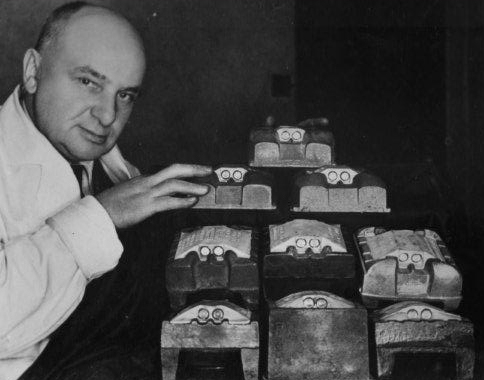
However, it was two years later, in 1934, when the idea of “cat’s eyes” as we know them today came into being after a Halifax engineer, Percy Shaw had a near-accident while driving through Bradford.

Prior to this, he used to navigate with the use of the reflection of his headlights on tramlines, but with the decline of trams, this method was not as readily available.

While descending a steep hill one night, he abruptly stopped when he saw his headlights reflecting through the cat’s eyes. The road curved, and Percy found himself unintentionally on the wrong side of the road due to driving straight.

History of Road Studs - Percy Shaw Cats Eyes | Venture Plastics Distributors

Image copyright: Calderdale Museums

History of Road Studs - Patent By Percy Shaw | Venture Plastics Distributors

Image copyright: Open.edu

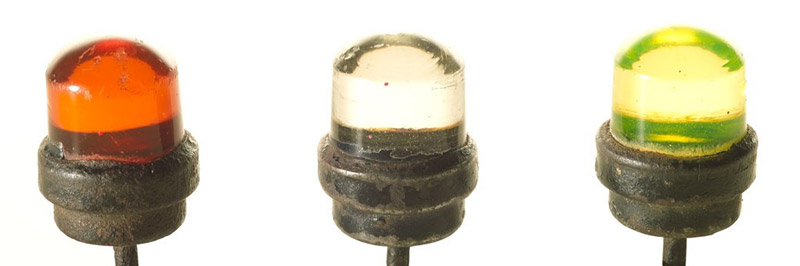
Had he not stopped, he would have veered off an embankment. This incident prompted Percy to believe that a visual marker should be reintroduced along the road. Drawing inspiration from the cat’s eyes that potentially saved his life, he invented a rubber contraption housing two reflective glass studs on each side to delineate the road’s centre.

The rubber dome was enclosed in a metal “shoe,” allowing it to depress when a car passed over, thus safeguarding the reflectors from harm. Additionally, the shoe was designed to admit rainwater, facilitating reflector cleaning when submerged.

Once the design was finalised and patented, Percy trademarked the term “Cats Eye” in 1934 and established a business to manufacture the device on a large scale.

Cats Eyes Light the Way Through War

The importance of Cats Eyes increased after World War II, as their usefulness during blackouts drew the government’s attention. By the 1960s, Cats Eyes were exported internationally, earning Percy an OBE (Officer of the Order of the British Empire) in 1965 for his contributions to the export sector.

He passed away in 1976, but his company continues to operate to in England to this day. By the end of the 1960s Cats Eyes were being used on the majority of the UK national road network.

Bigger, Better, Faster

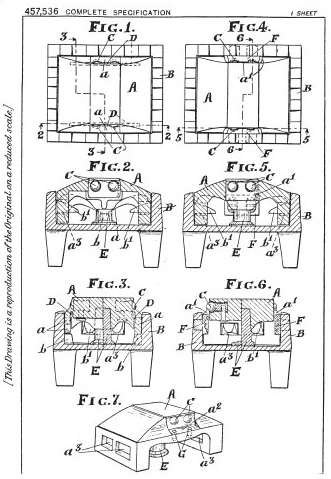
In 1967, in the United States, Sidney A Heenan from the Stimsonite® Corporation (formerly known as Amerace) pioneered a surface-mounted or “stick-on” road stud innovation. He introduced a prismatic reflector encased within a plastic structure that could be affixed onto the carriageway’s surface.

This Stimsonite creation allowed for significantly swifter installation compared to the conventional cats eye design. Consequently, it found widespread adoption across the growing interstate road network, establishing North America as the globe’s foremost consumer of road studs.

History of Road Studs - Patent Sidney Heenan | Venture Plastics Distributors

Image copyright: Google Patents

Progress to Present

With technology advancing while road use significantly increasing over time, road studs have become more innovative in their design over time.

Now we have many different casting, reflectivity, and colour options available for road studs. Each is designed to be right for different roads, environments, and budgets.

Venture Plastics Distributors Road Stud Options

A road stud’s design and material will determine its suitability for certain roads. Not all studs are appropriate for all highways or high-traffic areas. Here’s the rundown on some of the different kinds we supply at Venture Plastics Distributors:

  • Cast Iron K Lite – These are the road studs you need if you work in high-speed and heavy-traffic areas. They comprise injection-moulded high-impact polymers and cellular lenses.
  • Solar Road Studs – These are handy to demarcate for both roads and to demarcate areas like car parks and commercial premises as they work with LED lights, and not just reflections. We have a range of different kinds to suit a variety of applications.
  • Stimsonite Road Studs – The impressive endurance of our Stimsonite road studs is effective for highway use. The lenses continue to function even after impact or damage, leading to safer roads.
  • Temporary Road Studs – Our locally produced Sitemarkers comprise high-impact ABS plastic and premium reflective tape. They adhere to the road surface with two-ply PE bitumen tape for easy removal at your project’s end.

Just like our history, our product and road stud range is always advancing and being updated. For now, we already have a robust and innovative portfolio for you to choose from.

Contact Us

010 023 7178

10 Log Road, Roodekop, Germiston, Gauteng 1422

Enquire Today


    * indicates a required field

    error: Content is protected !!