The History of Road Safety Products | Part 1 | Traffic Cones

The History of Road Safety and Safety Cones

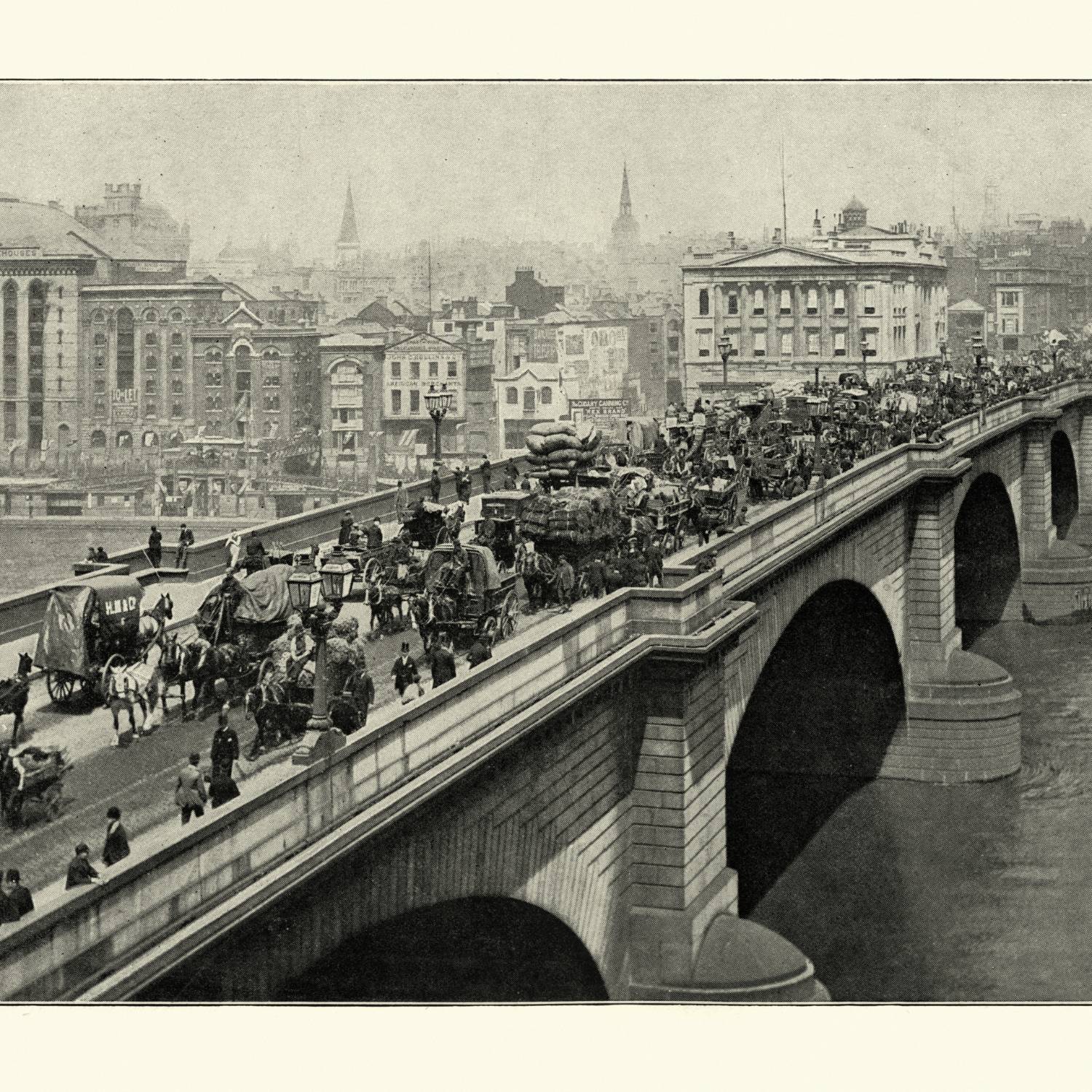
The history of road safety dates back centuries, but it wasn’t until the 19th century that road safety became a major concern. In the early days of automobiles, there were few rules and regulations governing their use. As more and more cars hit the road, accidents became more common.

To address this issue, governments began to pass laws regulating the use of automobiles. They also started to develop road safety products to help keep drivers and pedestrians safe. One of these products is the very familiar safety cone.

In this blog, we explore the fascinating history of said traffic cones and the milestones that influenced their design and usage over time.
Early Road Marking Solutions | 1800s

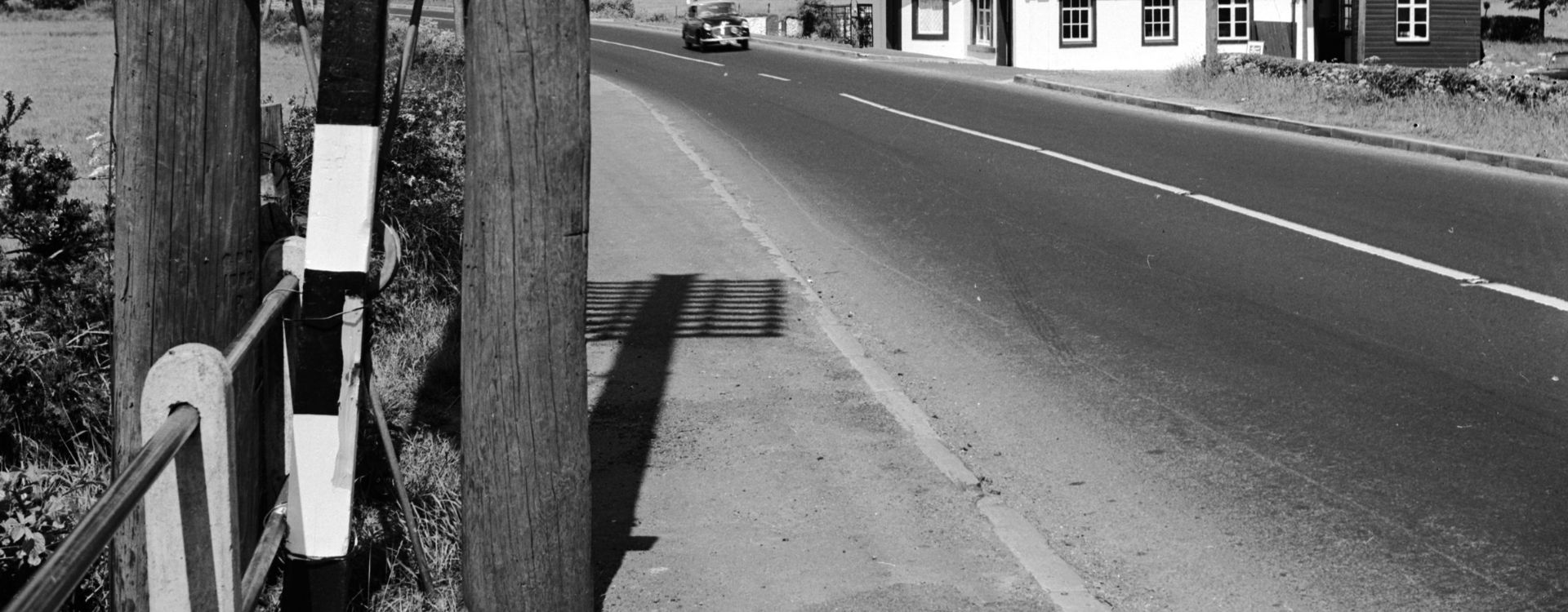
During the 19th century, the issue of road construction and upkeep gained attention. To tackle the challenge of marking road hazards and directing traffic, different approaches were attempted.

At first, lanterns and wooden posts were used to draw attention to potential risks on the road. In time though, they proved to be too delicate for the job at hand.

Gradually alternative, but ineffective versions started to emerge. One cone version was a concrete barrier which proved to be more dangerous and unforgiving for vehicle collisions. They also weren’t portable options.

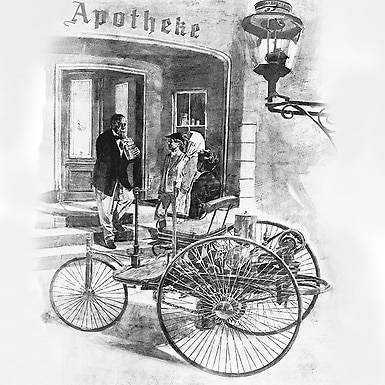
Image copyright: Mercedes-Benz

Traffic Barrels | Early 20th Century

Eventually, modern-day traffic control devices, known as traffic barrels, emerged.

These barrels were made of metal or wood and featured reflective strips for improved visibility during night-time. While effective, they were bulky and difficult to handle.

So, it was clear that a better option was needed.

Introduction of Portable Traffic Cones |1940s

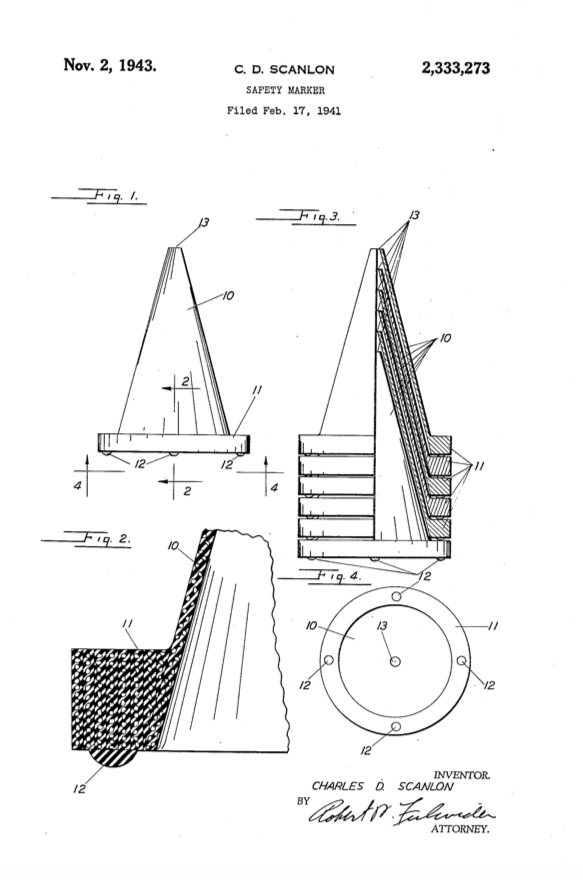
In 1940, Charles Scanlon, a street painter from Los Angeles, devised a clever solution to prevent cars from driving over wet paint. He designed a cone-shaped marker that was weighted and hollow, unlike the commonly used wooden markers of the time which were easily damaged.

To create a better alternative, Scanlon and sign operator Rodney Taylor collaborated and ingeniously crafted the first safety cone by sewing together discarded tire skins.
In 1943, Scanlon obtained a patent for this innovative safety marker. The patent emphasised its goal of enhancing road safety by using a resilient material that wouldn’t break or harm vehicles upon impact.

The cone featured a sturdy base to withstand windy conditions without toppling over, and it had a top hole and feet for convenient stacking while keeping the cone off freshly painted asphalt surfaces.

In 1947, Interstate Rubber Products Corp. started producing cones using moulded rubber sheets. This was significant in it becoming a mass-produced road safety product.

Development of PVC Cones | 1960s

In the 1960s, traffic cones underwent a significant transformation with the introduction of polyvinyl chloride (PVC) as a primary material.

PVC cones were lightweight, highly visible, and durable, making them an instant success. This breakthrough led to widespread adoption and became a turning point in the history of safety cones.

This also made manufacturers open to using alternative materials when producing these road safety products.

The Birth of Recycling | 1970s

As environmental concerns grew in the early 1970s, researchers and innovators started exploring ways to reuse and recycle plastic materials. This offered the potential to reduce waste, conserve resources, and mitigate the environmental impact of plastic disposal.

During this time, efforts focused on developing recycling processes and infrastructure to handle different types of plastic.

Recycling methods included mechanical recycling, where plastic waste was sorted, cleaned, melted, and reprocessed into new products. Chemical recycling techniques also emerged, aiming to break down plastic into its basic chemical components for further reuse.

In the following decades, advancements in recycling technology, increased awareness of environmental issues, and regulatory measures helped propel the growth of plastic recycling. The development of more efficient sorting and separation techniques improved the quality of recycled plastic, expanding its range of applications.

Venture Plastics Distributors | Present Day

Today, Venture Plastics Distributors is one of South Africa’s manufacturers of PVC safety cones.

We are also proud to say that we offer cones that are made from different materials to PVC. To allow for a safer and more durable option in our 1.8m and reboundable cones, we use lightweight, flexible LLDP material.

Where possible (while keeping safety top of mind) we use recycled polypropylene materials, like in our reboundable cones. It is important to us to make responsible choices for our roads and country.

Contact Us

010 023 7178

10 Log Road, Roodekop, Germiston, Gauteng 1422

Enquire Today


    * indicates a required field

    error: Content is protected !!